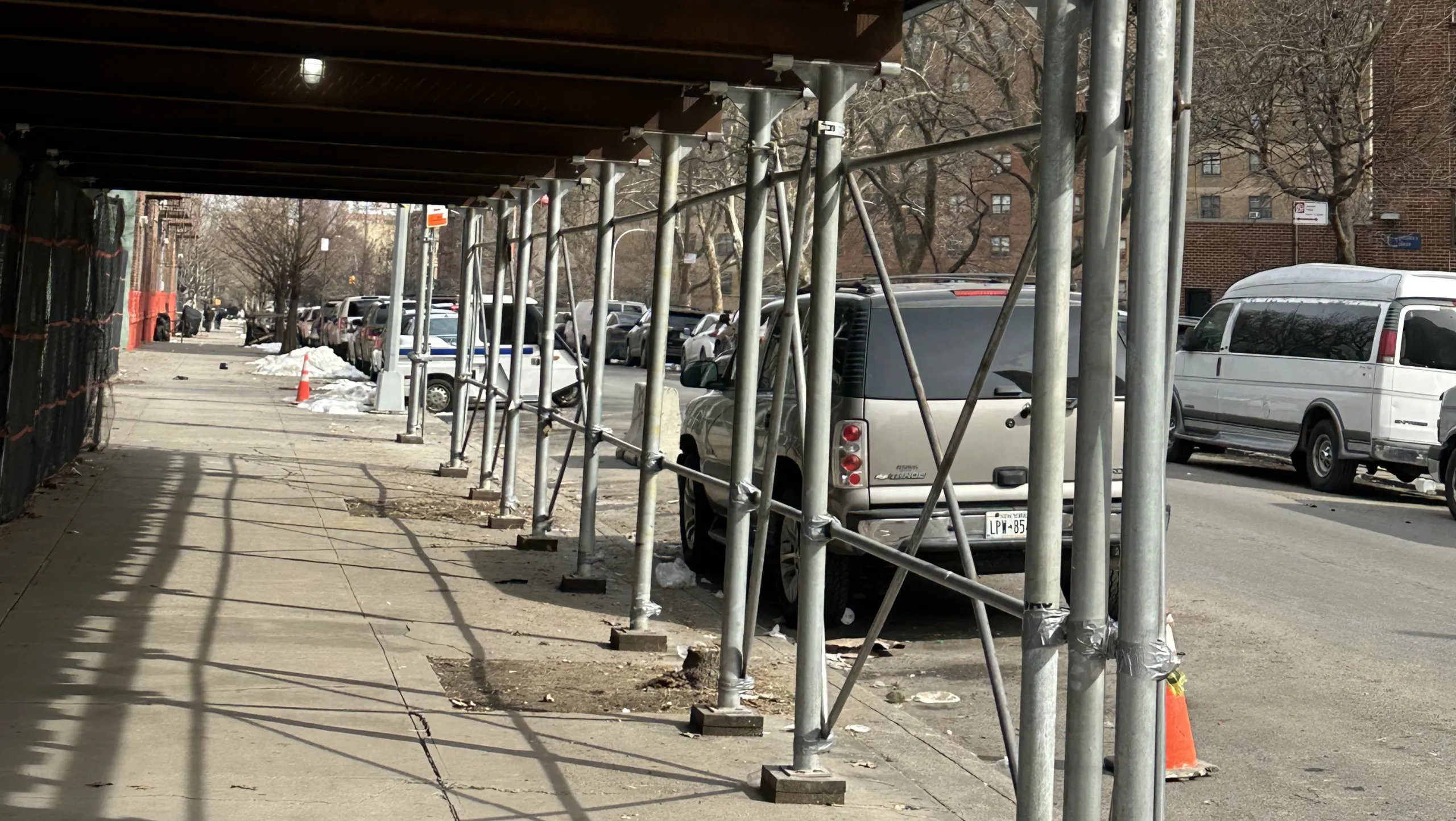
Have you ever wondered how construction crews manage to work safely while traffic whizzes by just feet away? Or how neighborhoods around construction zones remain secure despite heavy machinery moving in and out?
If you’ve ever driven past a road project on Long Island, you’ve probably seen those jersey barriers lining the streets. They are silent guardians that protect workers, drivers, and pedestrians alike.
When it comes to keeping a construction site safe, there’s no “one-size-fits-all” solution. But creating a secure perimeter is a critical first step. If you’re a project manager, contractor, or property developer, you know that every second counts, and one small oversight can turn into a serious accident. That’s why properly installed site barriers make a huge difference.
Want to ensure your construction site stays accident-free? Read on to learn how to make your Long Island projects safer than ever.
Why Jersey Barriers Matter More Than You Think?
You might be thinking, “It’s just a block on the street. How much protection can it really offer?”
These barriers serve multiple purposes beyond stopping cars. They are designed to guide traffic, protect workers from accidental collisions, and prevent equipment from rolling into the wrong areas.
Let’s understand it better with an example.
A construction crew is paving a road in Queens, and cars are still moving in both directions. Without a clear separation, even a small mistake from a distracted driver could cause a serious incident. But with sturdy safety barriers, the zone is clearly defined, and risks are drastically reduced.
Here’s what jersey barriers bring to the table:
When you start thinking of safety barriers as an investment rather than an expense, it’s easier to see their value. They save time, reduce stress, and give peace of mind.
Choosing the Right Barrier for Your Project
Have you ever tried to move a heavy concrete block by yourself?
It’s impossible without equipment. That’s why planning is essential.
Ask yourself: Do I need a permanent solution or something temporary that I can adjust daily?
Placement and Planning: More Than Just Putting Blocks on the Street
Safety doesn’t stop at choosing the right type of barrier. Placement is just as important. Improperly positioned barriers can create hazards rather than prevent them.
When planning barrier placement, consider:
Barriers are like your site’s first line of defense. They not only protect your team but also communicate to the public: “This area is off-limits. Stay safe.”
Quick Safety Tips for Barrier Placement:
How Barriers Enhance Productivity and Reduce Costs
You might be surprised to learn that barriers don’t just improve safety, they also impact productivity.
How?
When your crew feels secure, they can focus on the task at hand without worrying about nearby traffic or random interruptions.
For instance, imagine a roadwork project in Hempstead. Crews don’t have to stop because vehicles are encroaching on their workspace. Time spent managing hazards is instead spent on actual construction. Over time, this translates into lower labor costs, faster project completion, and fewer emergency expenses.
And let’s not forget liability. Accidents at construction sites can result in expensive lawsuits. By investing in proper barriers, you significantly reduce risk, and that protection pays off both financially and reputationally.
Ready to secure your site and protect your crew?
Contact a local Long Island safety solutions provider today to get the right barriers installed.
Common Mistakes to Avoid
Even experienced contractors sometimes underestimate the importance of proper barrier use. Avoid these pitfalls:
These mistakes are easy to fix if you plan. It’s about being proactive, not reactive.
Why Long Island Sites Have Unique Challenges
If you’ve worked on projects in Manhattan or Brooklyn, you might think Long Island would be easier. But the truth is, Long Island brings its own set of challenges:
Understanding these unique conditions helps you deploy barriers strategically, keeping workers and the public safe while maintaining efficient operations.
Building a Culture of Safety
Jersey barriers alone aren’t enough. A strong safety culture starts with leadership. Ask yourself: Do your crews understand why barriers are installed? Do they follow protocols consistently?
Engaging workers in safety practices ensures that barriers become part of a system that protects everyone. Frequent safety briefings, visible signage, and reminders about hazard zones reinforce the importance of these measures.
Final Thoughts
Construction is challenging work, and every site presents risks. But with careful planning, the right barriers, and a focus on safety, you can reduce accidents, protect your team, and keep projects on schedule.
So, next time you’re overseeing a project on Long Island, take a moment to look at your barriers. Are they doing their job? Are your workers and the public safe? Investing in proper protection is essential.
After all, a safe site is a productive site, and every barrier you place is a step toward peace of mind for your team and the community.
Don’t wait until an accident happens; take action today and secure your construction site for a safer tomorrow.
FAQs